Past events
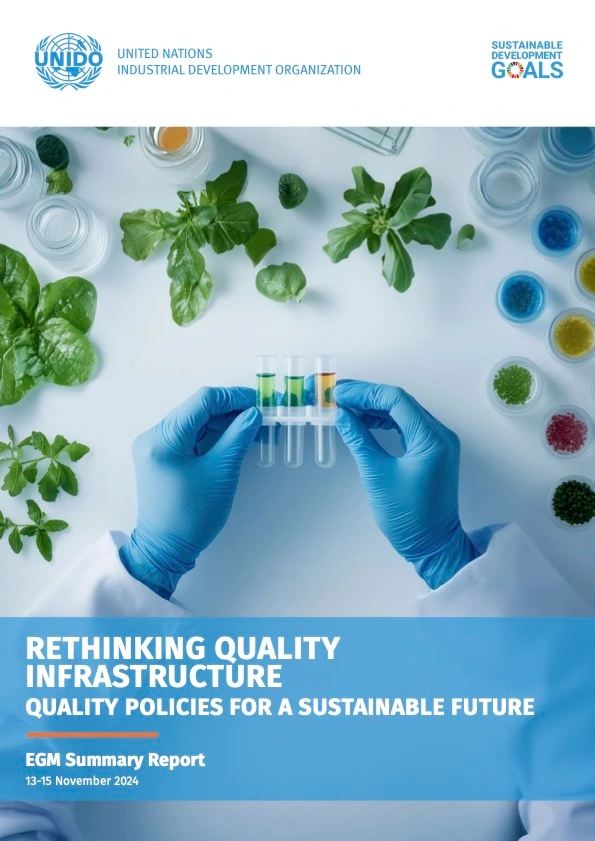
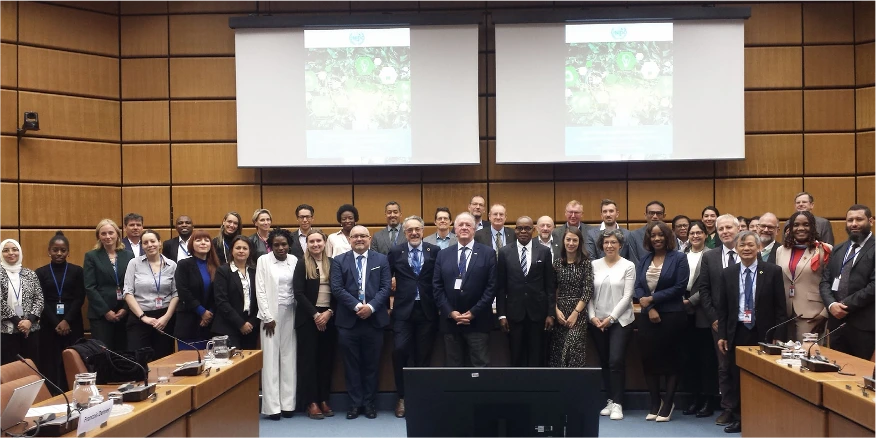
Rethinking Quality Infrastructure: Quality Policies for a sustainable future
November 2024, UNIDO Headquarters
The complexity of challenges such as climate change, energy transition, digital advancements, globalization, sustainability imperatives, and evolving regulatory landscapes demands solutions that go beyond traditional methodologies. To ensure a sustainable future, it is imperative to develop a robust and forward-thinking Quality Infrastructure (QI) system that can meet these demands. In today's world, the urgent need to rethink and reshape our approach to industrial development has never been more critical. Establishing an appropriate Quality Policy (QP) to guide the QI system is essential to properly address the quality and standards related matters for an inclusive and sustainable industrial development strategy. A QP is an essential element of a broader national or regional economic development strategy, often related to enhancing the wider multi-sectoral development objectives of a country. The role of the QP is to present a visible and neutral framework to connect and technically reinforce other national policies, including the appropriate definition of QI roles and responsibilities. A QP precisely addresses the need of a QI system to boost innovation, promote investment and augment the country or region’s capacity to exploit emerging opportunities resulting from increased intra-regional and international trade, to advance economic competitiveness for a sustainable future.
Resources
Event summary report
QI4SD Index
Global Quality Tools
November 2023, UNIDO Headquarters
Setting up a Quality Infrastructure System is one of the most positive and practical steps that a developing nation can take on the path forward to developing a thriving economy as a basis for prosperity, health and well-being. A Quality Infrastructure is a system contributing to governmental policy objectives in areas including industrial development, trade competitiveness in global markets, efficient use of natural and human resources, food safety, health, the environment and climate change. It offers a complete package addressing the needs of the nation’s citizens, of customers and consumers, and of enterprises and other organizations that offer them products and services. The Quality Infrastructure System covers essential aspects such as policy, institutions, service providers, and the value-adding use of international standards and conformity assessment procedures.
Resources
QI4SD Index
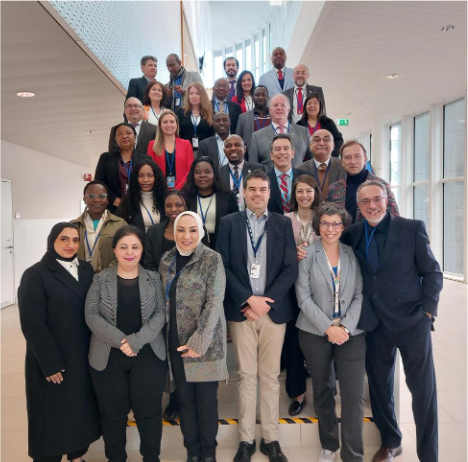
Boosting Innovation Standards for SDGs: UNIDO-ISO Innovation Seminar and Innovation Labs
June 2023, UNIDO Headquarters
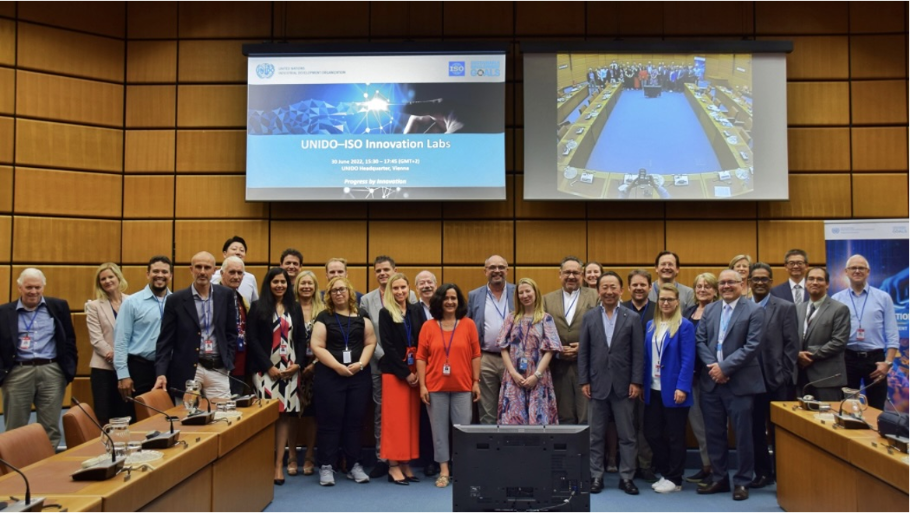
Innovation is integral to a country’s performance as a key driver of economic transformation, including in terms of promoting the transition to the digital economy. However, many entities often struggle to make innovation an enduring and sustainable part of their business. Being aware of this challenge, UNIDO and International Organization for Standardization (ISO) work together to enable developing countries to take a more active role in the development and adoption of international standards, as well as to help their enterprises and institutions apply and comply with international standards and conformity assessment guides. In light of common priorities and strong partnership between UNIDO and ISO, UNIDO hosted the UNIDO-ISO/ TC 279 Working Session on Innovation Management (WG1 and WG3). In this context, UNIDO promoted two special sessions entitled “UNIDO–ISO Innovation Seminar” and “UNIDO–ISO Innovation Labs”, with the objective of promoting standards for innovation and sustainable development.
Resources
UNIDO promotes innovation standards and digital transformation to achieve SDGs | UNIDO
Boosting Innovation Standards for SDGs: UNIDO–ISO Innovation Seminar and Innovation Labs | UNIDO
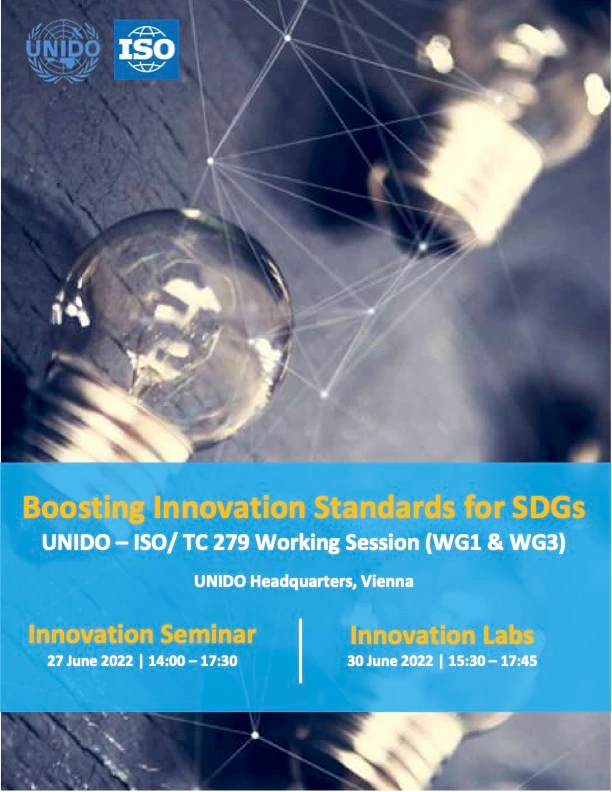
UNIDO Convenes Global Experts to Chart the Future of MSME Development
25-26 June 2026, UNIDO Headquarters
Through two days of Technical Consultations on MSME Development, the United Nations Industrial Development Organization (UNIDO) brought together policymakers, development finance institutions, technical experts and private sector leaders from around the world to build a shared agenda for the future of micro, small and medium-sized enterprises (MSMEs). Discussions highlighted that MSMEs, which account for approximately 90 per cent of businesses worldwide and more than 70 per cent of global employment, remain among the most underserved by the systems designed to support their growth.
The consultations, held at UNIDO Headquarters, will directly inform UNIDO’s forthcoming Position Paper on MSME Development, a strategic framework addressing the megatrends reshaping the competitiveness, resilience and inclusive growth of MSMEs worldwide. The event opened with remarks from Mr. Alejandro Rivera Rojas, Chief of UNIDO’s Division of MSME Competitiveness, Quality and Job Creation, and continued over two days through eight expert panels covering the future of industries, access to finance, formalization, local capacity development, entrepreneurship and skills, quality infrastructure, and green innovation.
Resources
UNIDO Convenes Global Experts to Chart the Future of MSME Development
